 Whalesbook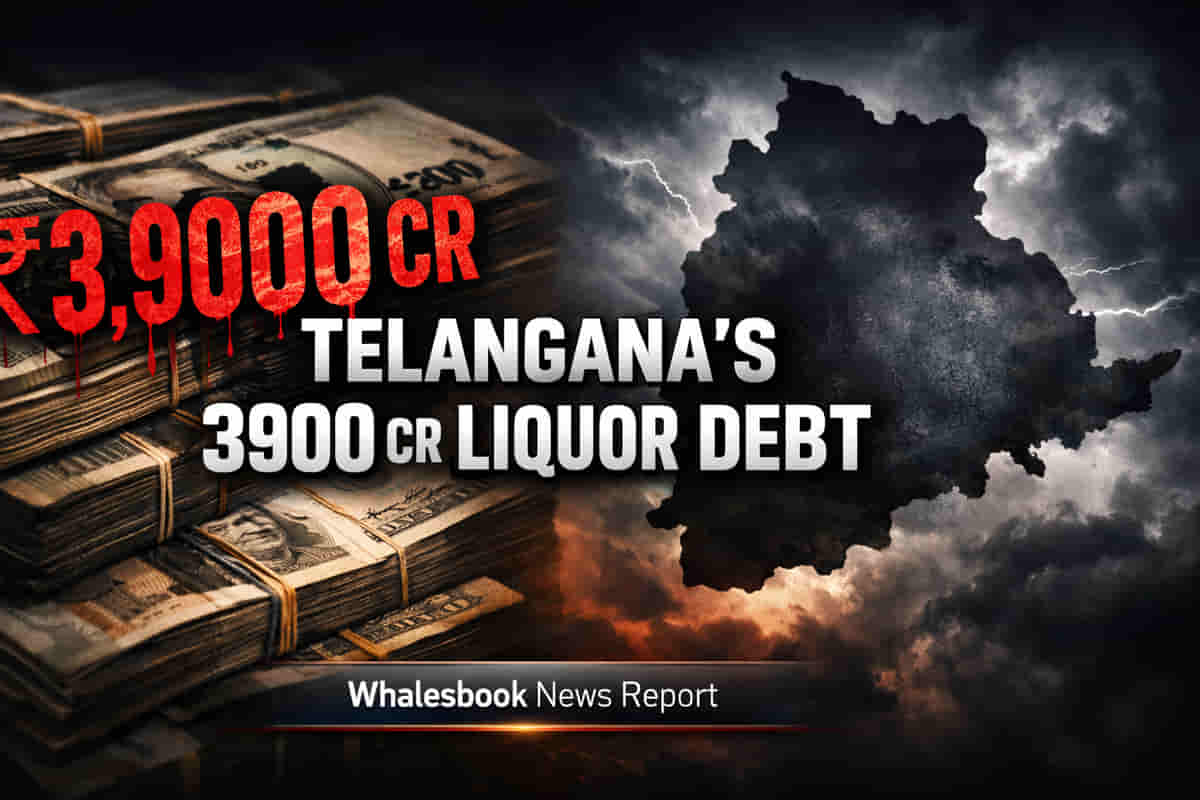
Telangana Grapples With Mounting Liquor Dues Ahead of Global Forum
Telangana's alcoholic beverage sector is facing a critical liquidity crunch, with dues owed to suppliers by the state government ballooning to over ₹3,900 crore. This mounting debt has prompted stern warnings from three leading industry associations—The Brewers Association of India (BAI), the International Spirits and Wines Association of India (ISWAI), and the Confederation of Indian Alcoholic Beverage Companies (CIABC)—ahead of the World Economic Forum (WEF) annual meeting in Davos 2026.
Investor Confidence at Risk
Industry bodies have urged the Telangana government to expedite payments to salvage its credibility and attract foreign investment. Approximately ₹900 crore of the outstanding dues have remained unpaid for over a year. With the state aiming to position itself as a premier destination for business, such significant payment delays risk deterring potential investors and undermining its appeal for global capital.
Economic Backbone Under Strain
The alcohol sector is a significant contributor to Telangana's exchequer, accounting for more than a third of its total tax revenues and generating substantial monthly income. Despite this, the Telangana State Beverages Corporation Limited (TGBCL) is reportedly struggling with its payment obligations. The state's reliance on its depot system, where all liquor sales pass through government-controlled outlets before reaching retailers, means suppliers are entirely dependent on timely government payments. This system, coupled with delays, directly impacts the working capital of these businesses.
Supply Chain Disruption Looms
Concerns are escalating as major players are beginning to react. United Breweries, maker of Kingfisher beer and owned by Heineken, has already ceased supplies in January due to non-payment. Other companies have signaled they may follow suit if the outstanding amounts are not settled promptly. This potential disruption threatens the continuity of supply, impacting not only the beverage companies but also the associated breweries, distilleries, packaging, logistics, and retail sectors that collectively support an estimated 70,000 jobs in the state. A decline in broader industrial sentiment is further evidenced by a sharp fall in TG-iPASS approvals, highlighting weakening investor confidence.