 Whalesbook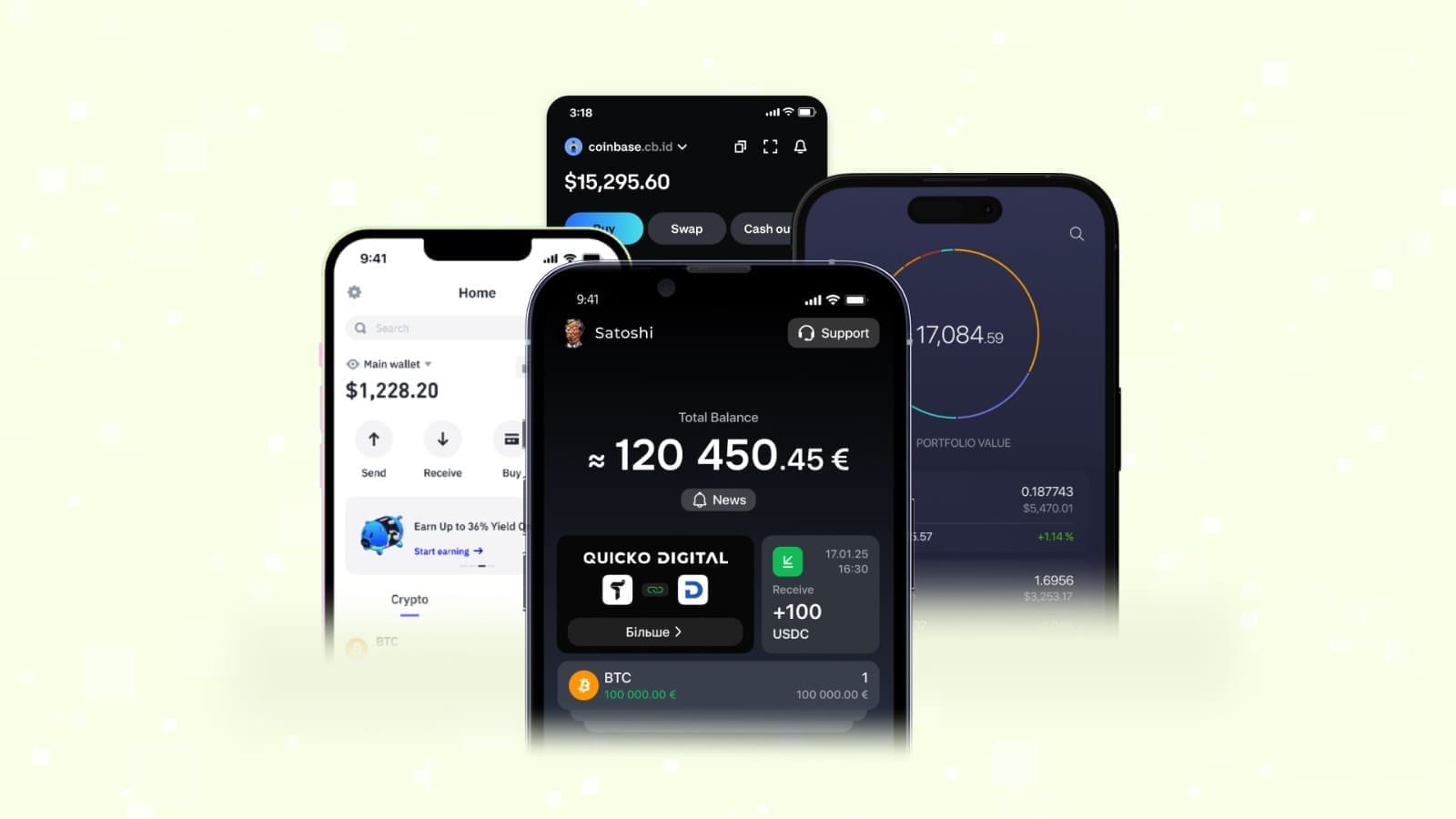
TOP 4 Mobile Crypto Wallets for Beginners in 2026
Entering the world of cryptocurrency often ends in stress: confusing addresses, network mix-ups, and the constant fear of pressing "the wrong button" and losing money. In 2026, this is no longer necessary. A beginner-friendly mobile wallet should feel as intuitive as the banking apps most users already rely on.
We reviewed a wide range of applications available on the App Store and Google Play, excluding advanced trading terminals and highly technical Web3 tools. The wallets discussed below are those that are commonly explored by new users and are generally considered easier to understand at first use.
How this comparison is made
The comparison is based on three parameters that typically matter most to beginners:
- Interface (UX): Is it understandable for someone without a technical background?
- Fiat Gateway: How easy is it to buy crypto using traditional payment methods, and convert it back when needed?
- Support: Is user assistance available if something goes wrong?
Below are four widely used mobile crypto wallets that beginners often evaluate when starting out. This overview is intended for general information only and should not be treated as a recommendation.
1) Trustee Plus — Focused on Everyday Usage
Trustee Plus is often used by people who want to combine crypto storage with everyday spending functionality. The app is designed to resemble a modern digital banking interface rather than a traditional crypto wallet, aiming to reduce friction between crypto and fiat usage.
Why beginners often explore it
- Intuitive layout: The interface avoids complex charts and technical terminology, making navigation simpler for first-time users.
- Quick onboarding: Identity verification is completed through a smartphone-based process, which typically takes a short amount of time.
- Spending access: Users can access crypto-linked cards (virtual or physical) instead of manually transferring funds to external platforms.
Notable features
- Crypto card support compatible with Apple Pay and Google Pay.
- Internal transfers and certain stablecoin swaps with no additional platform fees.
- In-app customer support via live chat.
Some industry publications, such as Incrypted, have previously mentioned Trustee Plus when reviewing crypto card solutions.
2) Trust Wallet — Broad Asset Coverage
Trust Wallet is one of the most widely downloaded mobile wallets and is officially associated with Binance. It supports a large number of cryptocurrencies and blockchain networks.
Why beginners consider it
- Broad compatibility reduces the need to manage multiple wallet apps.
- Built-in dApp browser allows users to explore decentralized applications when ready.
Notable features
- Support for millions of tokens across numerous blockchains.
- Built-in staking options for selected assets.
- Transaction security alerts for potentially risky activity.
3) Exodus — Emphasis on Design and Visualization
Exodus is known for its polished design and visual presentation. It focuses on presenting portfolio data in a clear and visually appealing way.
Why beginners may like it
- Clean interface with minimal learning curve.
- Portfolio balances are displayed through charts and visual summaries rather than raw numbers.
Notable features
- Visual portfolio tracking.
- 24/7 customer support through chat and email.
- Synchronization between mobile and desktop versions.
4) Coinbase Wallet — Ecosystem-Oriented Option
Coinbase Wallet is a self-custody wallet developed by Coinbase and is separate from the Coinbase exchange app. It is often explored by users who are already familiar with the Coinbase brand.
Why beginners look at it
- Familiar brand name for users entering crypto for the first time.
- Integration with Coinbase services simplifies moving between wallet and exchange environments.
Notable features
- Security practices aligned with a publicly listed U.S. company.
- NFT browsing and storage support.
- Easy account switching between wallet and exchange platforms.
Quick Comparison Overview
| Feature | Trustee Plus | Trust Wallet | Exodus | Coinbase Wallet |
|---|---|---|---|---|
| Primary Use | Spending-oriented | Asset storage | Portfolio visualization | Ecosystem access |
| Crypto Card | Built-in | Via partners | Not available | Not available |
| Fiat Conversion | Relatively simple | Requires external methods | Requires external methods | Requires external methods |
| Learning Curve | Low | Medium | Low | Low |
| Support | Live chat | Knowledge base / bot | Chat & email | Bot & email |
Important Things Beginners Should Know
Crypto wallets are tools for managing digital assets, not guarantees against loss. Transactions on most blockchains are irreversible, and features, fees, or availability can change over time. What works well for one user may not be suitable for another.
New users are generally advised to test wallets with small amounts, review official documentation, and understand fee structures before relying on any platform.
3 Common Beginner Mistakes
Limited exit options
Some wallets make it easy to buy crypto but require additional steps or third-party platforms to convert it back to fiat. Understanding on-ramp and off-ramp options beforehand can help avoid friction later.Overlooking network fees
Blockchain fees can vary significantly depending on the network used. Choosing lower-cost networks or internal transfers where available can reduce unexpected expenses.Assuming support can reverse mistakes
In most cases, crypto transactions cannot be undone. While customer support may assist with usage questions, it cannot recover funds sent to incorrect addresses.
Conclusion
There is no universal crypto wallet that fits every user. Some people prioritize access to many different assets, others value visual clarity, while some focus on everyday usability and convenience.
Beginners are encouraged to compare multiple options, start slowly, and choose a wallet based on their own needs and comfort level rather than rankings alone. What matters most is understanding how the wallet works and using it responsibly.
This article reflects general observations and publicly available information at the time of writing. Readers should conduct their own research before using any crypto-related service.